How to Choose the Right University Abroad
MAREBH • Study Abroad Guide
How to Choose the Right University Abroad
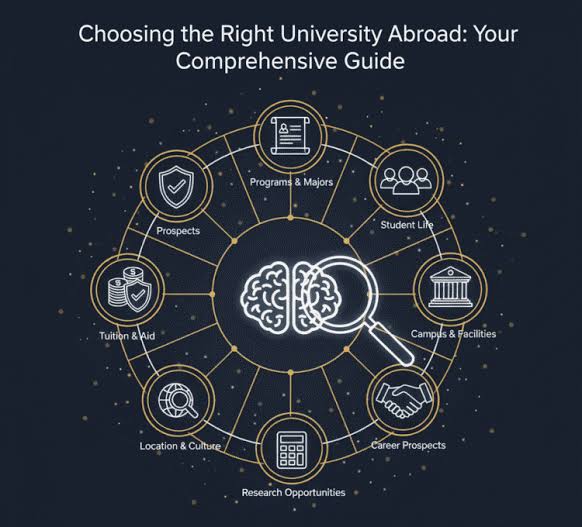
Choosing where to study abroad is one of the biggest decisions in a student's life — it shapes your career, your finances, and often where you end up living. With thousands of universities to choose from across dozens of countries, it's easy to get overwhelmed. This guide breaks the decision down into the factors that actually matter, so you can shortlist universities with confidence instead of guesswork.
1. Start with Accreditation, Not Just Reputation
Before you look at anything else, confirm that a university and your specific programme are properly accredited. A degree from an unrecognised institution can cause serious problems later — employers may not accept it, licensing bodies may reject it, and it may not qualify you for further study or immigration pathways.
- Check accreditation with the relevant national body (e.g. QAA in the UK, CAA in the UAE).
- Confirm international recognition, such as listing with UK ENIC or an equivalent body.
- Verify your specific programme is accredited, not just the university as a whole.
2. Look at Rankings for Your Subject, Not Just the University
Overall university rankings are a useful starting point, but a top-100 university isn't necessarily strong in every subject. Look up subject-specific rankings, research output, and industry links for the exact programme you plan to study — a mid-ranked university with an excellent department in your field can be a better choice than a famous university with a weaker one.
3. Budget for the Full Cost of Living, Not Just Tuition
Tuition fees are only part of the picture. Factor in accommodation, food, transport, health insurance, books, and visa costs — and remember that cities within the same country can have very different costs of living. Countries such as the UAE offer competitive tuition alongside a tax-free income environment for graduates who go on to work locally, which is worth weighing against higher-cost destinations.
4. Consider Location and Career Opportunities
Where you study affects the internships, part-time work, and networking opportunities available to you — and often where you'll build your early career. Look at post-study work visa options, the strength of the local job market in your field, and whether the university has strong employer partnerships and placement support.
5. Check Post-Graduation and Visa Pathways
Immigration rules change often, so check the current post-study work visa policy for each country you're considering, along with any pathways to longer-term residency if that matters to you. This is an area where personalised, up-to-date advice is especially valuable, since visa rules can differ significantly by nationality and programme level.
6. Talk to Current Students and Alumni
Where possible, speak to current students or graduates of the programme you're considering. They can tell you what the rankings and brochures won't — teaching quality, campus life, support services, and how well the degree actually translated into job offers.
Quick Checklist Before You Apply
- Is the university and programme properly accredited?
- How does the programme rank in your specific subject area?
- Have you budgeted for tuition and full cost of living?
- What are the career and post-study visa outcomes?
- Does the location and campus environment fit your goals?
Still not sure which university is right for you? MAREBH's counsellors help you compare accredited universities, tuition costs, and visa pathways so you can apply with confidence.
Talk to an AdvisorLooking for professional study abroad consultants in Uganda? Contact MAREBH today for free counselling. Explore our study destinations - including UK, Canada, and Australia - or check current scholarship offers.

An ICEF Accredited Agency
PAIEC ACCREDITED